A Guide To CBD Oil And Cholesterol From Start To Finish


Can CBD Oil Lower Cholesterol?
CBD contains vasodilating characteristics that aid in reducing the blood vessel pressure that is caused by high cholesterol. It also reduces levels of salt and sugar in the blood.
In a study in 2020, CBD was found to reduce the levels of resistin in fat cells and immune cells that cause insulin resistance. CBD increases the cell's sensitivity to insulin and reduces diabetes symptoms.
Reduces LDL cholesterol
CBD aids in lowering low-density lipoprotein (LDL) which is also known as "bad," cholesterol, which is a fat that blocks arteries and increases the risk of developing cardiovascular diseases. CBD does this by preventing cholesterol absorption in the intestines, and enhancing its elimination through urine. It also relaxes the arterial walls, allowing blood to flow more easily. This eases the strain on the heart and prevents heart failure.
It decreases high blood pressure by dilation of blood vessels and reducing the amount of sugar, salt, and cholesterol that accumulate on the walls of blood vessels. This could lower cholesterol levels, triglyceride levels and blood sugar levels, and help to prevent hypertension and diabetes.
Research has shown that CBD can raise HDL cholesterol (the "good" kind) while lowering LDL cholesterol and triglycerides. CBD does this by making cells sensitive to insulin, a hormone that converts glucose into energy and regulating blood sugar. It has also been found to reduce resistancein the compound that is responsible for high cholesterol and blood sugar through influencing the functions of fat and immune cells.
CBD's anti-inflammatory properties can aid in lowering cholesterol levels. This is due to the death of harmful immune cells which cause inflammation. They eventually lead to the formation of plaques of fatty material along the artery wall. This reduces the amount of plaque-forming cells, and lowers the amount of triglyceride.
Contrary to the use of pharmaceuticals to treat high cholesterol, CBD is free of known side effects and is safe to use for long-term management. Talk to your doctor prior to making use of CBD in conjunction with other medications. The reason for this is that CBD is metabolized by the liver, and can affect certain medications that influence the enzymes known as CYP450. CYP450 enzymes are involved in the metabolism of many prescribed medicines such as those for high cholesterol.
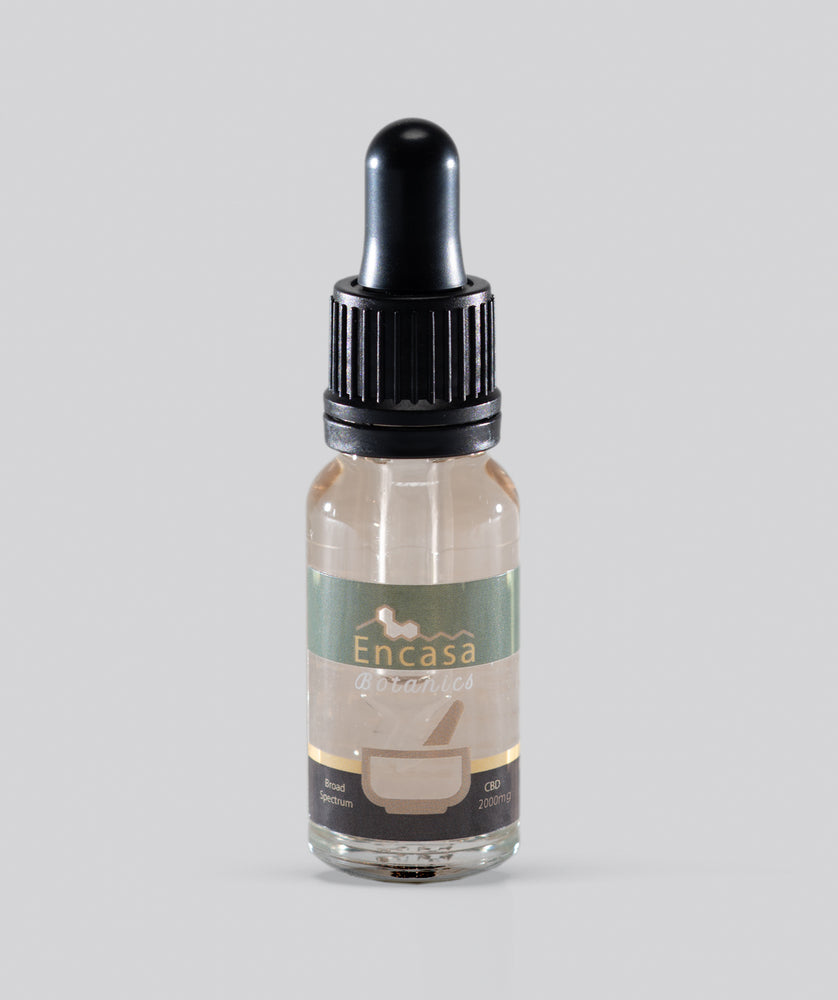
If you decide to purchase a CBD product for lowering your cholesterol, ensure that it is pure and has no THC, the psychoactive cannabinoid found in the marijuana plant. The best products contain the highest levels of CBD such as Full Spectrum CBD Oil or CBD Tablets.
Lowers Triglycerides
CBD oil may also help reduce the levels of triglycerides in the blood, which is another important risk factor for heart disease and blocked arteries. Triglycerides are fatty substances that get deposited on the walls of blood vessels, causing them to thicken and narrow. CBD has been found to lower triglycerides as well as high cholesterol by helping the body break down fats. It also helps to increase healthy HDL levels. CBD's anti-obesity properties may aid in weight loss which could be one of the main causes of elevated cholesterol levels.
The levels of cholesterol in the blood can be linked to diabetes, metabolic disorders and other health issues. A study published in the Journal of Diabetes Care in 2016 revealed that CBD can aid in controlling blood sugar levels and help insulin be more effective, and reduce inflammation. Additionally, CBD has been shown to have anti-apoptotic properties as well as reduce cell damage caused by high levels of glucose in the blood.
A healthy diet is vital to lower cholesterol levels, but many people struggle to eat appropriate foods. CBD can aid in this by reducing cravings and appetite. It also can boost metabolism and stimulate the liver to produce more cholesterol-lowering bile. It is also believed to have anti-inflammatory effects which may reduce the damage done by excess cholesterol.
CBD can also enhance cardiovascular health by lowering blood pressure. High blood pressure is caused by high levels of salt, sugar and cholesterol that accumulate on blood vessel walls. CBD oil is a great way to lower blood pressure by dilation of blood vessels and decreasing cholesterol and fats buildup on the walls.
CBD products are the most convenient and simple method to get your daily dose of this natural compound. You can add CBD to your meals or drink in the form of capsules, oils, and tinctures. Consistently taking cbd and cholesterol medication is the best way of achieving your cholesterol and blood-pressure goals. You can utilize a blood pressure monitor at home to track your progress and determine if CBD treatment is working.
Blood Pressure Lowering
CBD is known to lower blood pressure. It does this by enlarging blood vessels and decreasing the amount of cholesterol that clings to blood vessel walls. High blood pressure can cause numerous health issues, including heart disease. It is caused by inflammation, the accumulation of plaques of fatty substances in blood vessels, as well as the narrowing of blood vessels as a result of cholesterol deposits. CBD can lower hypertension by reducing stress, enhancing sleep, and reducing cholesterol and triglycerides. It also helps with the underlying problems that lead to high blood pressure, including excess salt, obesity, and high levels of sugar within the body.
CBD has been proven in numerous studies to enhance the metabolism of lipids, and to improve insulin sensitivity throughout the body by altering the structure of fats. This results in an increase in the secretion of GIP (gastric inhibitory polypeptide) and GLP-1 (glucagon-like peptide 1), both of which aid in regulate insulin levels, preventing excessive blood glucose. CBD can also modulate the endocannabinoid function by activating CB2 via the 5-HT3A receptor within the brain. This results in a decrease in anxiety, and an increase in hormones that help promote cardiovascular health.
Another way that CBD can reduce cholesterol is by controlling the body's inflammatory response to fatty plaques that form on the walls of blood vessels. When these deposits of fat form the body perceives them as a threat by sending immune cells to attack them. However the immune cells get trapped inside the plaques of fat, further damage them and causing blood vessels to shrink. CBD can suppress the production of these inflammatory chemicals through stimulating the death of immune cells. This results in fewer immune cells and wider blood vessels, which in turn results in a lower risk of clots and a reduced chance of heart attacks or strokes.
Consult with a doctor before you decide to take CBD for high cholesterol. They can tell you if CBD is safe for you. CBD inhibits the CYP450 enzymes in the liver, which break down certain drugs, like the most popular statins used to manage cholesterol. Buy CBD from a company that follows good manufacturing practices when it is related to pharmaceuticals or other nutritional supplements.
Lowers Heart Failure
High cholesterol levels can cause fatty deposits to accumulate in blood vessels, blocking the flow of blood and increasing the pressure inside your heart. This can lead to a variety of health conditions that include heart failure and arteriosclerosis. CBD helps to reduce the accumulation of bad cholesterol, assists your body regulate blood sugar and improves blood vessels, which can reduce your risk of developing heart-related issues.
Its anti-anxiety, stress-reducing qualities can also reduce hypertension which can cause elevated cholesterol levels. CBD is a vasodilator that causes blood vessels to widen. This can decrease pressure on the heart and blood vessels.
Research has shown that CBD may increase HDL cholesterol levels and reduce LDL cholesterol levels, which could improve the health of your cardiovascular system. CBD can also help reduce inflammation that is caused by the accumulation of fatty plaques in the arteries, which can stop them from opening fully and could cause heart attacks or stroke.
The endocannabinoid system is connected to the immune system as well as the cardiovascular system. Research has shown that CBD can stimulate CB2 receptors, which reduce vascular inflammation and protect against the development of inflammatory conditions such as fibromyalgia.
Another benefit of CBD is that it can help improve the symptoms of diabetes, such as insulin resistance and blood sugar spikes. It can also lower cholesterol by reducing the buildup of bad cholesterol in your blood vessels and making your body more receptive to insulin.
Consult your physician if you're taking cholesterol medications before adding CBD to your regimen. CBD can interact with some medications, particularly those that rely on enzyme cytochromeP450 to be metabolized. If you take statins, CBD interferes with this liver enzyme, which results in an increase in the concentration of the medication in your bloodstream.
For this reason it is best to choose full-spectrum CBD oil since they contain the highest level of cannabidiol. However there are many other forms of CBD in a wide range of different forms, including tea, gummies, coffee and various other edibles. They are ingested orally and then go into the digestive tract where they slowly release into the body. They're a great option for those who wish to lower their cholesterol without the need for other medicines.